
Understanding Tooth Sensitivity After a Root Canal
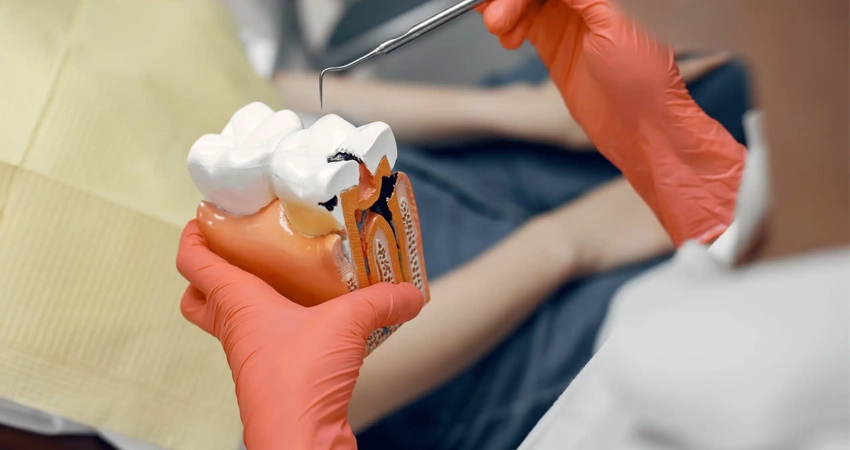
A root canal is a dental procedure that removes inflamed or infected pulp from the tooth. Root canal helps reduce the chances of tooth reinfection by restoring the natural tooth. Tooth sensitivity after a root canal is common, but temporary. In this blog, we will discuss causes, treatments, and preventive measures after a root canal.
Cause of Tooth Sensitivity After a Root Canal
A root canal is a dental procedure that removes infected tissue from the inside, removing the pulp. This pulp causes severe irritation and swelling and impacts the lifestyle. Some common causes affecting sensitivity are:
- Complexity of procedures– Curved or narrow canals lead to more postoperative sensitivity.
- Medication- During treatment, disinfecting or anesthetic medications can temporarily irritate the tooth.
- Health– Healing abilities and prior tooth issues can cause prolonged sensitivity.
- Quality of treatment– The Effectiveness of the root canal can cause sensitivity to return or persist long-term.
Note- Sensitivity usually improves within a few days and continues over 2-4 weeks. However, more extensive procedures or pre-existing infections can take 6-8 weeks or longer.
Symptoms of Tooth Sensitivity
Common and normal symptoms of sensitivity after a root canal include:
- Mild chewing pain.
- Sensitivity to hot/cold and pressure discomfort.
- Sharp pain when biting down or tapping teeth together.
- Gum swelling, with or without a pimple-like bump.
- Pain while putting pressure on the tooth.
- Dull ache in the same area.
Note- Call your dentists for re-evaluation if you have persistent pain, swelling, or prolonged sensitivity.
Treatment For Tooth Sensitivity After a Root Canal
Mild sensitivity usually resolves within days, followed by medication like anti-inflammatory drugs and antibiotics. Bite correction is recommended for high tooth pain, and re-evaluation may be necessary if pain persists. At Newtown Dental Arts, we have tailored treatment and approaches for different requirements:
Treatment Approach | When It’s Recommended | Benefits | Technology Used | Procedure Type |
Occlusal Adjustment | If the bite feels uneven after crown placement | Reduces pressure, relieves pain | Articulating paper, handpiece | In-office bite correction |
Desensitizing Agents | Mild sensitivity after root canal | Quick relief, protects dentin | Desensitizing gel, varnish | Topical application |
Anti-Inflammatory Medication | Persistent mild pain due to inflammation | Reduces swelling and discomfort | Oral NSAIDs | Prescription or OTC medication |
Crown Recementing or Replacement | Loose or ill-fitting crown causing sensitivity | Improves stability, seals the tooth | Digital scanning, CAD/CAM tech | Crown refitting or fabrication |
Endodontic Retreatment | If the infection persists inside the canal | Removes remaining bacteria, prevents reinfection | Operating microscope, rotary instruments | Non-surgical root canal redo |
Apicoectomy (Surgical) | Severe cases with infection near the root tip | Targets infection without removing the tooth | Microsurgical instruments, ultrasonic tips | Minor oral surgery |
Dental Implant (Last Resort) | Tooth fracture or repeated root canal failure | Permanent solution, prevents bone loss | CBCT imaging, guided implant tech | Implant placement with crown |
Preventive Measures after a Root Canal
To aid in root canal recovery, avoid:
- Avoid smoking to speed up healing.
- Brush and floss daily.
- Avoid chewing on the treated tooth until crown placement.
- Consume soft foods for a few days.
- Use antibacterial mouthwash to prevent germs.
- Avoid hard foods like nuts and crackers.
- Use toothpaste as recommended by your dentist.
- Proper medication must be included as directed.
Note From Dr. Arti Kaul
An infected tooth can not heal on its own, so it’s important to consult your dentist. If a root canal is needed, the dentist will guide you through the process. If you experience intense dental pain, a dental emergency in Newtown, or you experience unusual discomfort after a root canal, schedule a follow-up appointment here.
Need Help?
Schedule your initial consultation today and start your journey towards a pain-free, healthier smile. Contact us now!


